
Fast, Smart, and always buzzing with info
Essential Alvor

The Fruit That
Conquered the World
A tale of sailors, sunshine, and sweet success.
Oranges are tasty, orange trees are beautiful, and the fruit and juice are both good for you. Beyond their nutritional value, oranges contribute greatly to local economies through sales and exports, and they lend a tropical charm that attracts visitors wherever they grow.
Orange trees are not native to Portugal. A thousand years ago, there were none anywhere on the Iberian Peninsula. Yet Portuguese explorers can take much of the credit for introducing the orange to Europe and the Americas.
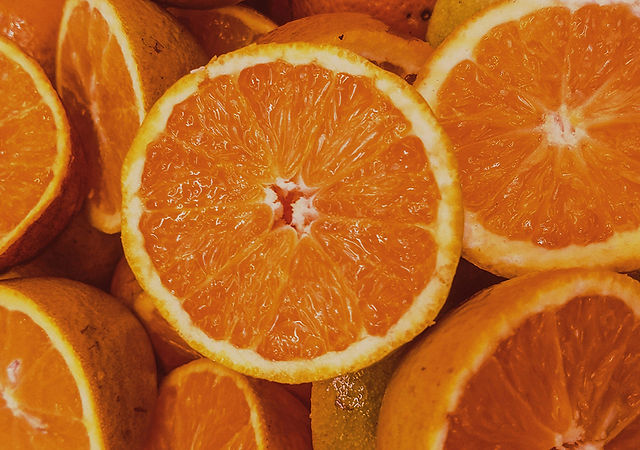
The lovely, brightly coloured fruit originated in Southeast Asia, and its name derives from the Sanskrit word nāraṅga (meaning “orange tree”). During the 15th century, the visionary Infante Dom Henrique—better known to English speakers as Henry the Navigator—encouraged his captains to bring back any fruits, nuts, and herbs they discovered. Through these voyages, the sweet orange was introduced to Europe and later spread to the Middle East. Indeed, the Persian word for orange is porteghal, derived from “Portugal.”
The Portuguese planted citrus trees along their trade routes to the Orient and also took them to Brazil, which today is the world’s largest orange producer. On his second voyage in 1493, Christopher Columbus carried orange and lemon seeds to the Caribbean, while the Spanish explorer Ponce de León introduced citrus fruits to Florida.
The bitter orange (nārang in Persian) had been known in the Middle East since the 10th century but was soon overshadowed when the sweet orange appeared. Four main types of sweet oranges are grown around the world today: Persian, Navel, Valencia, and Blood oranges, which vary in size, colour, and sweetness according to local conditions. Typically, the Persian has ten sections, or carpels.
Orange Trivia: Fun
Facts to Brighten
your day

🍊 Colour before the fruit: In English, the colour orange was named after the fruit, not the other way around. Before that, people used words like “geoluhread” (yellow-red) in Old English.
🌳 Eternal youth myth: In Greek mythology, the golden apples of the Hesperides—symbols of immortality—were likely oranges.
🚀 Out of this world: Astronauts on Apollo missions drank freeze-dried orange juice—one of the first instant juices ever made.
💧 Floating fruit: Oranges float in water because about 25% of their volume is air trapped inside the rind.
🕯️ Orange Christmas: In Victorian times, getting an orange in your Christmas stocking was a luxury—a sign of exotic wealth and sunshine in winter.
⚗️ Scent of happiness: Studies show the smell of orange oil can reduce anxiety and lift mood, which is why it’s often used in aromatherapy.

The Navel orange is a natural mutation discovered in 1820 in a monastery orchard in Brazil. This mutation causes a second, smaller orange to develop at the base of the fruit—hence its “navel.” Navel oranges are seedless, so the only way to produce new trees is by grafting. Every Navel orange in the world is a direct descendant of that first tree.
The Valencia orange is among the sweetest and is commonly used for juice. It has smooth, thin skin and golden flesh rich in juice. Valencias are usually seedless and are the only variety available in summer.
The Blood orange earns its dramatic name from the red streaks in its flesh and juice, which can be a deep burgundy colour. Its unique hue comes from natural pigments called anthocyanins, rarely found in other citrus fruits.
Bitter oranges, such as the Seville and Bergamot, are too sour and astringent to eat raw. Instead, they are prized for marmalades, sauces such as Bigarade, and their aromatic peel, which flavours foods and liqueurs such as Curaçao. Most bitter oranges come from Spain and Portugal.
Today, Portugal, though small, still grows excellent oranges—especially in the Algarve—but it cannot easily compete with large-scale producers. Many of the oranges in Portuguese markets now come from Spain. So, if you want to be sure you’re enjoying authentic Portuguese oranges, stop at one of the many roadside stalls and buy local.